


10 Things You Should Know About The Canadian HIV Stigma Index Study
10 Things You Should Know About The Canadian HIV Stigma Index Study

Listen to the latest episode of season 3 of pozcast here.
In our last blog, we announced the release of the Canadian HIV Stigma Report, a national look at the voices and experiences of people living with HIV across the country. It’s a detailed report and while we hope people take the time to explore it, here are 10 key things to know.

1. A national community-led study by and for people living with HIV
Peer researchers played a central role in designing the study, interviewing participants, and guiding how the findings are shared. Their leadership ensured the process was grounded in dignity, trust, and lived experience.
In total, 1,438 people living with HIV were interviewed by 46 peer researchers making this one of the largest studies of its kind in Canada. This work reflects decades of community-led advocacy and the belief that research should be guided by the people most affected.
2. Stigma deeply affects self-esteem and mental health
About 1 in 3 participants reported feeling guilty, ashamed, or not good enough because of their HIV status. These feelings come from internalized stigma, where negative messages about HIV start to shape how people see themselves. As seen in our Unseen Battles series, internalized stigma can take a real toll on mental health.
Programs that build social connection, belonging, and supportive peer networks play an important role in addressing internalized stigma and improving mental health.
3. Stigma can delay care and affect health
Nearly half of participants delayed care because they struggled to accept their diagnosis, often due to internalized stigma. About 1 in 3 also feared mistreatment or involuntary disclosure in healthcare settings. These fears can lead to poorer health outcomes, including delayed treatment and increased risk of health complications. Avoidance of healthcare settings also delays the time at which a person can achieve an undetectable viral load.
People should feel safe, welcomed, and respected when accessing care. This means strengthening confidentiality practices, reviewing clinic policies and forms, and ensuring that all staff receive ongoing anti-stigma training.

4. Stigma affects relationships, dating and everyday connection
Fear of discrimination leads many people living with HIV to withdraw from social and romantic relationships. About 1 in 2 believed a partner might treat them differently because of their status, and 61% found disclosure difficult. More than half (59%) said they hid their status from others due to fear of discrimination.
Reducing stigma isn’t just about supporting people living with HIV, it requires shifting attitudes in the broader public. Public-facing anti-stigma efforts are essential in changing how the broader public understands HIV.
5. Direct acts of stigma are still common in daily life
More than 40% of participants heard stigmatizing comments from people in their communities, and about 1 in 3 experienced stigma within their families. A similar number also reported being verbally harassed because of their HIV status.
These experiences are rooted in misinformation, fear and outdated ideas about HIV. Evidence-based public education, including digital and social media tools can counter myths and help share accurate information on a much larger scale.
6. Stigma is shaped by more than HIV alone
Participants shared that discrimination was often connected to more than just their HIV status. Many also faced stigma related to sexuality, gender identity, race, drug use or sex work.
Understanding HIV stigma means understanding intersectionality. Effective stigma reduction must address how these overlapping identities shape people’s experiences of discrimination.
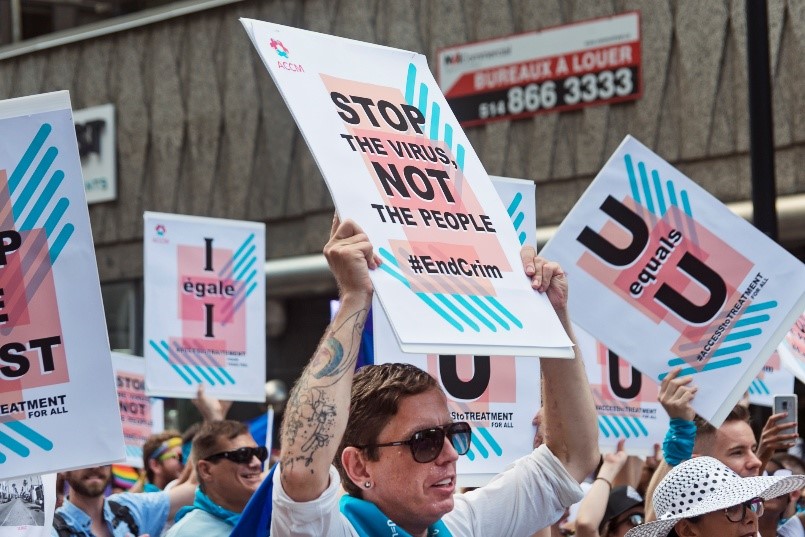
7. There is strength, leadership and solidarity across the HIV community
The Stigma Index didn’t only reveal challenges, it also highlighted resilience. Almost 60% of participants had actively challenged stigma or discrimination.
About 1 in 2 supported another person living with HIV facing stigma, and nearly half had taken part in anti-stigma campaigns.
People living with HIV are driving change in their communities every day.
However, lasting progress also depends on strong allyship and coordinated efforts across communities and organizations.
8. U=U is a powerful tool - but more conversations need to happen
Undetectable = Untransmittable (U=U) means that people living with HIV who are taking their medication regularly cannot sexually pass on HIV. This message has given many people living with HIV greater confidence in their lives, and is one of the clearest and most effective tools we have to reduce stigma. In our study, 80% of participants agreed that promoting U=U can shift negative attitudes toward people living with HIV.
Yet many participants were still unsure about U=U, and half (1 in 2) had never discussed it with their healthcare provider. U=U needs to be part of routine care and part of broader public awareness efforts so people can make informed decisions and feel confident in their sexual and reproductive health.
9. The evidence is clear: the time for change is now
The findings show that stigma continues to affect people living with HIV in many parts of their lives. They point to the need for programs that reduce stigma not just in healthcare, but in communities, social services, and by addressing internalized stigma.
Education and social support are key parts of any effective stigma-reduction effort. But just as important, people living with HIV need to be involved at every stage of program design. When their lived experiences guide the work, programs become more relevant, meaningful and effective.
10. Progress depends on long-term sustainable funding
Stigma isn’t solved overnight. Programs that make a difference need time, stability and the ability to grow.
Short-term or inconsistent funding disrupts support programs and slows progress. Long-term, stable funding makes sure that people can rely on services and stay engaged in stigma reduction efforts over time.
The story is clear.
Stigma remains a daily reality for many people living with HIV, but the Stigma Index also shows the strength, courage and leadership within the community. We hope these insights encourage more conversation, more action and more commitment to ending HIV stigma in Canada.
Stay tuned for our next post, where we’ll highlight the experiences of peer researchers whose leadership made this project possible. You can check out our previous post to view and download the full Canadian HIV Stigma Report.


