


Just Say It!: Taking Control of Your Health and the Power of PrEP
Just Say It!: Taking Control of Your Health and the Power of PrEP

For Jamieson Edward, choosing PrEP is simple: it’s a way to prioritize his health and wellbeing.
In the latest episode of pozcast, host James Watson sits down with Jamieson—a community advocate, drag artist, spoken-word poet and HIV educator—to talk about PrEP, sexual health and the assumptions that can surround HIV prevention.
The conversation is part of Just Say It!, a national HIV stigma reduction campaign from The Positive Effect, a stigma reduction initiative from REACH Nexus at St. Michael’s Hospital’s MAP Centre for Urban Health Solutions. The campaign brings people together for open, honest conversations about HIV, stigma, sexual health and the misconceptions that continue to shape how we think about HIV prevention.
“I saw the Just Say It! campaign as another means to having a conversation about things that are not talked about enough, and seeing it through the lenses of someone who works in the community, and for someone who has not worked in the community,” said Jamieson. “I felt like this was my moment to be a part of a conversation that would be interesting, informative but most importantly speak to the needs of community.”
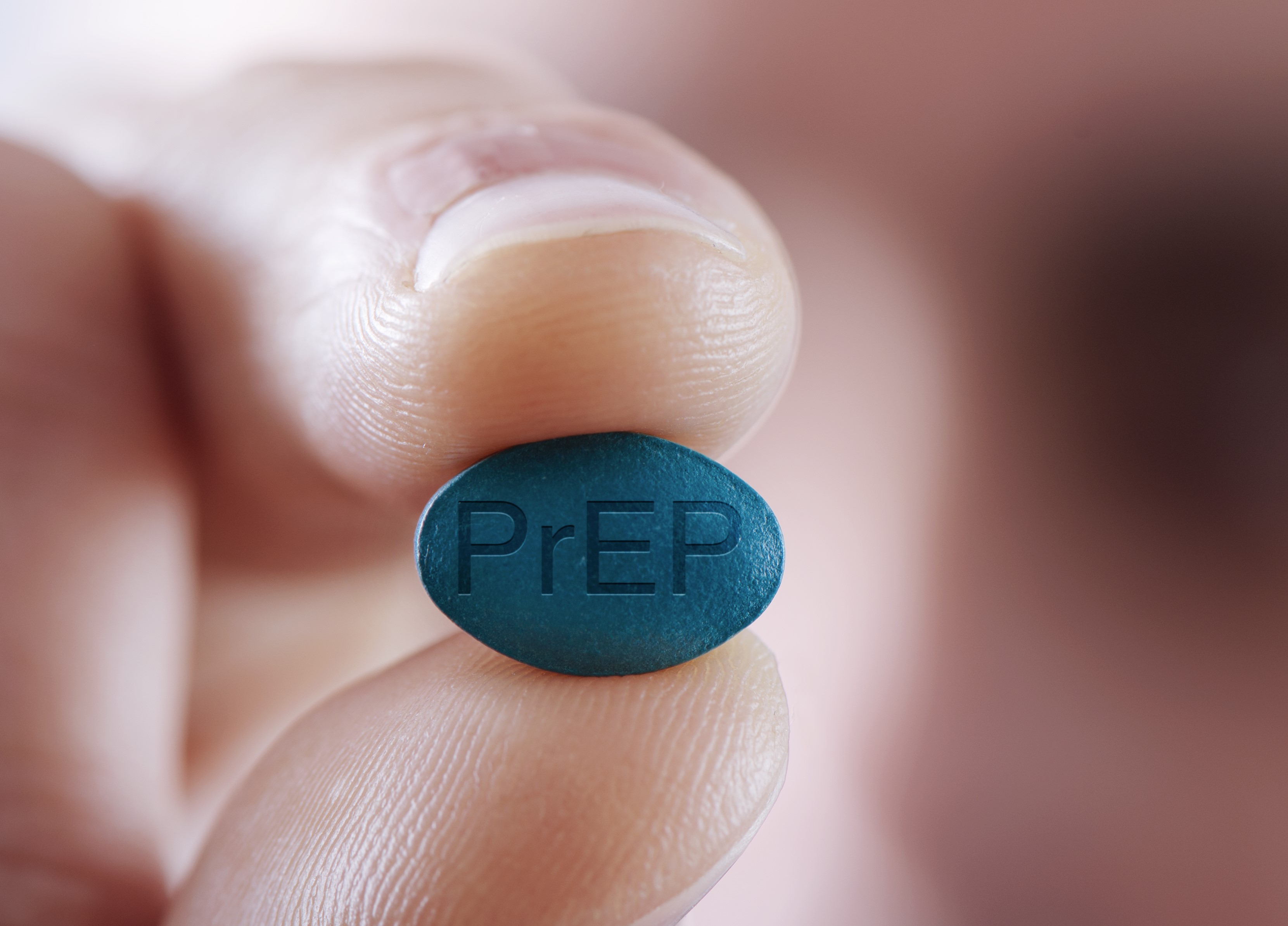
PrEP, or pre-exposure prophylaxis, is medication that can prevent HIV. Yet despite its effectiveness, misconceptions and stigma can still influence how people think about who should take PrEP—and what taking it supposedly says about someone.
Jamieson knows those assumptions firsthand.
Before starting PrEP, he says he saw it as something that might encourage people to have more sex or be less careful. He associated PrEP with abandoning condoms and making riskier choices. It was only after learning more, talking with healthcare providers and doing his own research that his perspective changed.
“That was the wrong messaging I was receiving,” said Jamieson. “That was the wrong misconception that I had.”
That experience ultimately shaped his decision to take PrEP.
For Jamieson, PrEP is about taking an active role in his health, caring for himself and protecting his partners. It gives him greater confidence to have the sex life he wants while making choices that support his sexual health.
His story is part of a much larger conversation.
Just Say It! has now surpassed 2.4 million views across social media, sparking conversations about HIV among audiences far beyond the HIV community. At the heart of the campaign are candid, unscripted conversations between people living with HIV, HIV advocates and mainstream influencers whose audiences extend well beyond traditional HIV networks.
Using a simple card game as a starting point, participants talk openly about HIV, stigma, disclosure, relationships, sex and the myths that continue to influence how people understand HIV.
These conversations matter because stigma can make talking about PrEP—and sexual health more broadly—complicated.

For Jamieson, part of the problem is a lack of accessible information. When people don’t have the facts, assumptions can easily fill the gap.
That’s why, he says, how we talk about PrEP matters.
Health information needs to be clear, relatable and accessible to people with different experiences and levels of knowledge. People should be able to ask questions without feeling judged—and, when needed, have opportunities to ask those questions anonymously. Drop-in sessions and open conversations with healthcare providers can also help people understand whether PrEP might be right for them.
Jamieson also challenges the idea that someone has to see themselves as “at risk” before considering PrEP.
People make different choices about their sexual lives, and prevention can be part of those choices, he said. Rather than making assumptions about who should take PrEP, conversations should start with understanding a person’s needs, circumstances and goals.
Ultimately, Jamieson wants people to remember one thing: put yourself first by making informed choices about your sexual health, whether that means condoms, PrEP, or a combination of prevention strategies.
What matters is having the information, support and freedom to make those choices without judgment.
“Individuals who have [HIV] and who have been part of this conversation should come forward and share their experiences, because it's beautiful,” he said.
“When other people come and share their experiences, people get to see that, ‘okay, it's not just a healthcare provider telling me that’, but it's someone who has a lived experience and I can see that person. I can hear, you know, how they feel, how they go about doing things. That could ultimately help change the mindset somewhat or contribute to a greater conversation.”


