


"Things Will Change When…": Community Voices on Ending HIV Stigma
"Things Will Change When…": Community Voices on Ending HIV Stigma

Listen to the latest episode of season 3 of pozcast here.
The Canadian HIV Stigma Index leaves little doubt. HIV stigma is still part of everyday life for many people living with HIV in Canada.
It shows up in daily interactions. In what people hear. In how they are treated. In the constant calculation of whether it feels safe to share their status. Over time, it can affect relationships, mental health, and access to care.
The Stigma Index is grounded in the voices of people living with HIV across the country. It documents the impact of stigma, but also how people respond to it and challenge it.
For this final post, we asked a small group of people living with HIV to finish this one sentence:
“Things will change when…”
What follows is simple and direct. A photo. A video. An audio reflection. A written piece.
Different formats, different perspectives, and a reminder that there is no single way to talk about stigma or what it takes to challenge it.
Beau Gomez, a visual artist based in Montréal and Toronto, shared his response through photography:

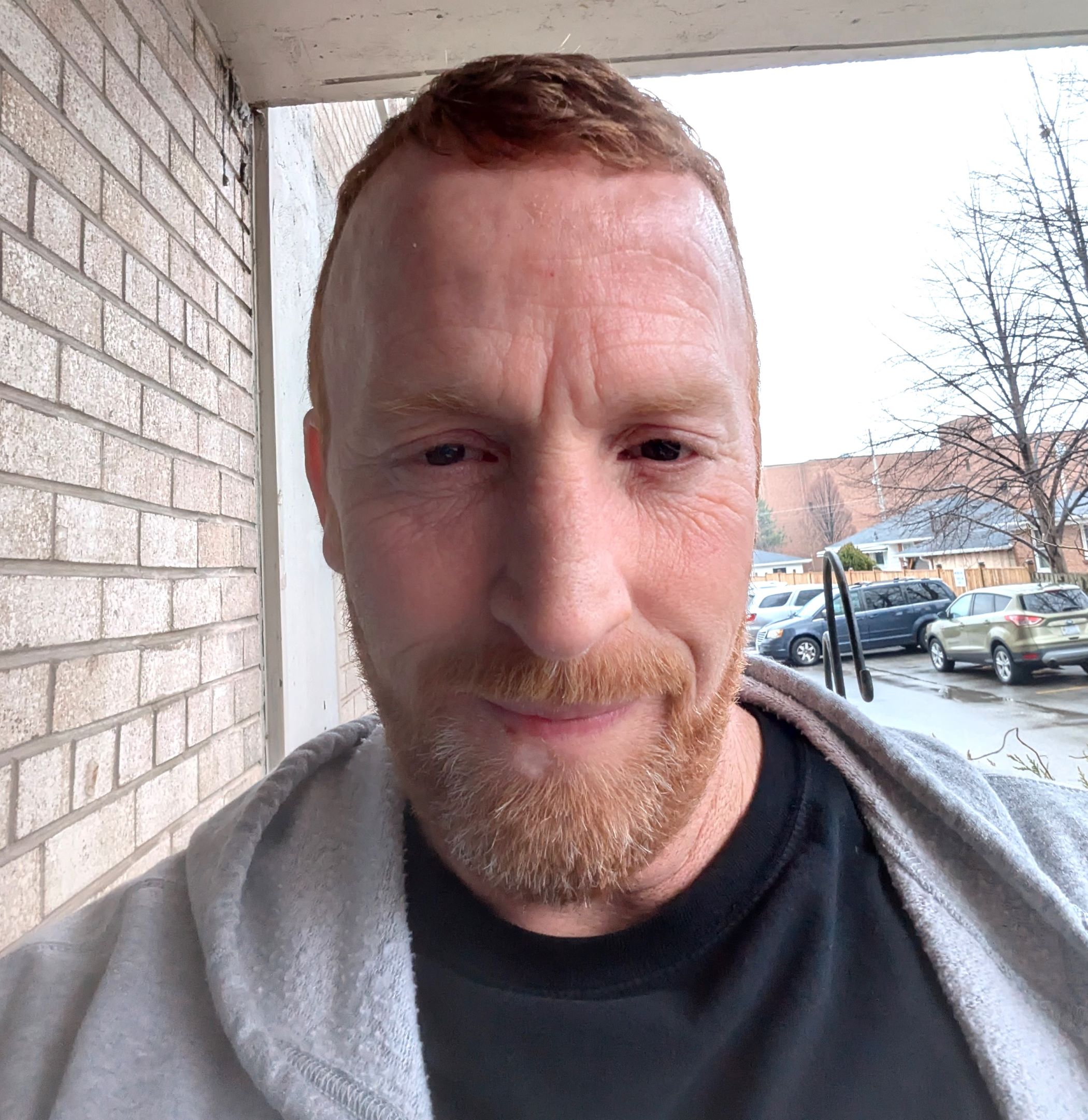
Michael Murphy has been living with HIV for over 20 years and has worked as a personal support worker for nearly two decades.
He has also been involved as a peer researcher in the Canadian HIV Stigma Index, where he came to better understand both the experiences of others and his own role in challenging stigma.
In his video response, Michael speaks directly to the fear many people living with HIV still carry when it comes to disclosure. He points to education, everyday language, and how we treat each other reminding us that ending stigma starts with our actions.
“No one should feel ashamed to talk about their health. Education in my opinion is the most important step [in reducing HIV stigma]. When we learn facts we replace fear with understanding," Michael says.
Watch Michael's story here
Lynne Cioppa worked as a Peer Research Associate for the HIV Stigma Index in Ontario, where she interviewed hundreds of people living with HIV and helped document how stigma continues to affect people’s lives.
In her audio response, Lynne reflects on how deeply rooted stigma still is. She points to fear, outdated images of AIDS, and a lack of public understanding, and wonders if real change will only come when those fears are no longer what people picture when they think about HIV.
Listen to Lynne's story here.

Juliet Amoli, is a social scientist and community leader with experience in sexual health education, harm reduction, and community-based work in both Uganda and Canada.
Her work is grounded in lived experience and focuses on equity, dignity, and support for marginalized communities, including people living with HIV.
In her written response, Juliet focuses on identity and internal stigma. She speaks about the need to move beyond being defined by HIV, and the importance of self-acceptance, purpose, and speaking openly as part of challenging stigma.
"Things will change when we are no longer defined by HIV, but seen and understood for who we are and what matters to us.
HIV comes with a lot, especially with a person who has lived with it for all their life. It comes with stigma, discrimination, strict adherences to treatment, resilience, betrayals, difficult disclosures, a sense of feeling lost. When a person is newly diagnosed, they can go through self denial, poor adherence, fear of disclosure, depression, and anxiety among many other feelings.
One of the key issues affecting people living with HIV is stigma. HIV stigma refers to the negative attitudes, beliefs, and stereotypes directed toward people living with HIV, which can lead to discrimination, social exclusion, and isolation. It also includes the internalized fear of being judged by society, as well as the negative perceptions individuals may come to believe about themselves.
As a person who has experienced HIV stigma, what I have come to learn is that it starts internally, by what you believe about yourself and what people might be talking or saying about you.
To overcome HIV stigma starts from within, by standing up for yourself, reclaiming our identity, refusing to be defined by HIV, and surrounding yourself with people who will love and cherish you.
HIV is here, just like any other health condition, and people need to understand that. We are no longer in the era when many lives were lost to AIDS. Today, we have life-saving treatments, effective prevention options, and accessible testing and support tools, reflecting tremendous progress in addressing the disease, and I remain hopeful that a cure is on the horizon and that we will be ready when it arrives."
If you missed the earlier posts in this series, you can read the full Canadian HIV Stigma Index Report and our Top Ten Findings on The Positive Effect.


